Awesome Greenhouses: Advancing Sustainable Horticulture


Intro
Greenhouses have become a cornerstone of sustainable horticulture, transforming the way we think about growing plants. They enable us to create controlled environments, allowing for year-round cultivation regardless of weather conditions. Whether you're a seasoned farmer or an enthusiastic home gardener, understanding the ins and outs of greenhouses can significantly enhance your gardening experience and productivity. From maximizing yield to adopting eco-friendly practices, greenhouses offer a treasure trove of benefits.
Overview of the Topic
Definition and Importance
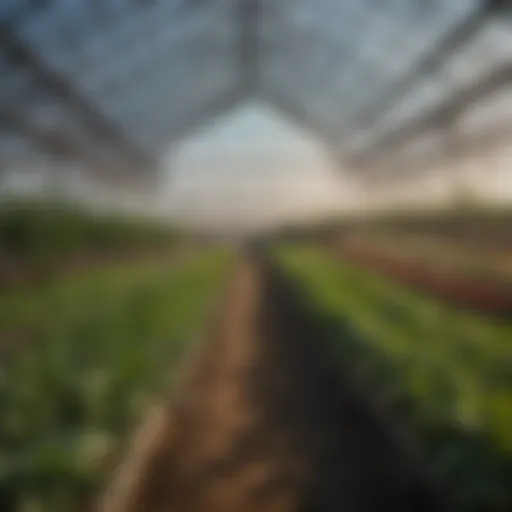
At their core, greenhouses are structures designed to trap sunlight and provide a stable environment for growing various plants. This controlled atmosphere protects crops from pests and extreme weather, effectively extending the growing season and ensuring better yields. In an era marked by climate change and resource scarcity, the significance of greenhouses cannot be overstated. They embody the nexus of innovation and agriculture, promoting sustainability while addressing food security challenges.
Current Trends
As agricultural practices evolve, so too do greenhouses. Recent years have shown a shift toward more sustainable and technologically advanced growing systems. Some trends include:
- Solar-Powered Greenhouses: Integrating renewable energy sources into greenhouse operations reduces reliance on nonrenewable energy.
- Hydroponics and Aeroponics: These soil-less growing methods are gaining traction, allowing for faster growth rates and less water usage.
- Smart Greenhouse Technology: Automation and IoT devices enable precise control over temperature, humidity, and nutrients, maximizing efficiency.
Key Techniques and Practices
Step-by-Step Guide
Creating a successful greenhouse environment involves several steps:
- Planning Your Space: Assess the available area and decide on the type of greenhouse that fits best.
- Choosing the Right Structure: Options range from simple hoop houses to advanced glass structures, with materials like polycarbonate and greenhouse film being popular choices.
- Implementing Climate Control Systems: Consider heating, cooling, and ventilation options to maintain optimal growing conditions.
- Selecting Crop Varieties: Choose plants that are suited for greenhouse growth, keeping in mind their light, water, and nutrient needs.
- Establishing a Maintenance Routine: Regular checks on lighting, watering, and pest management ensure a healthy growing environment.
Tools and Equipment Needed
Equipping your greenhouse with the right tools is crucial for success:
- Thermometers and Humidity Sensors: Essential for monitoring climate conditions.
- Grow Lights: Supplement natural sunlight, particularly during shorter days.
- Watering Systems: Drip irrigation can help conserve water while ensuring plants receive adequate moisture.
- Soil Testing Kits: Analyze soil quality to provide optimal growing conditions.
Challenges and Solutions
Common Obstacles
While greenhouses offer numerous benefits, several challenges can emerge:
- Pest Management: Pests can thrive in the protected environment of a greenhouse.
- Temperature Fluctuations: Without proper systems, temperature extremes can threaten plant health.
- Infections and Diseases: High humidity levels can lead to the spread of fungal infections.
Innovative Solutions
Strategies exist to tackle these issues effectively:
- Integrated Pest Management (IPM): A combination of biological, cultural, and mechanical controls can reduce pest risks without harmful chemicals.
- Climate-Control Technologies: Employing automated systems that adjust ventilation can help mitigate temperature issues.
- Crop Rotation and Companion Planting: These methods can minimize the spread of diseases and improve soil health.
"Greenhouses aren't just about growing plants; they're about creating a sustainable future for agriculture."
Closure
Preamble to Greenhouses
Greenhouses serve as a vital component of modern agriculture, bridging the gap between nature and human-led cultivation. These structures allow us to manipulate environmental conditions, thus creating ideal settings for growing a diverse array of plants. The significance of greenhouses lies not only in their ability to enhance crop yields but also in their role as a sustainable option for farming practices. In a world increasingly affected by climate change, utilizing greenhouses can offer solutions that satisfy both economic and ecological demands.
Definition and Purpose
A greenhouse is essentially a controlled environment designed for horticultural purposes. It features transparent or translucent roofs and sides to maximize sunlight exposure while minimizing external weather fluctuations. The primary purpose of a greenhouse is to create a space where plants can flourish all year long, independent of seasonal constraints. The ability to grow crops regardless of the weather outside directly translates to extended growing seasons and increased productivity. This is particularly important for farmers aiming to meet the ever-growing food demand, and it also caters to enthusiasts looking to cultivate delicate varieties that may not thrive outdoors.
In practical terms, greenhouses serve several purposes:
- Climate Control: They are designed to regulate temperature, humidity, and light, offering the perfect environment for seeds to germinate and plants to grow.
- Disease and Pest Management: By creating an enclosed space, greenhouses help prevent pests and diseases from proliferating, thus protecting crops from external threats.
- Resource Efficiency: Watering and fertilizing can be more precise in greenhouses, leading to better resource management.
Ultimately, the synergy of these advantages makes greenhouses an invaluable asset in horticulture, providing both novice gardeners and seasoned farmers with tools to enhance their practices.
Historical Overview
The history of greenhouses is as rich as the crops they nurture. Their origins trace back to ancient civilizations, where primitive forms of plant cultivation in transparent enclosures were implemented. The Romans were known for utilizing specularia, structures made of thin sheets of glass designed to protect delicate plants from harsh weather. However, it wasn't until the 17th century that the modern concept of a greenhouse began to take form.
Initially used by botanists and wealthy estates, these structures were a marvel of engineering, allowing exotic plants imported from colonies to thrive in Europe. The Royal Botanic Gardens in Kew, London, became a pivotal location in the advancement of greenhouse technology, showcasing many innovations.
During the 19th century, glass became more accessible, leading to the widespread adoption of glasshouses across Europe and North America. This period also saw the introduction of heated greenhouses, allowing for year-round cultivation in colder climates.
Today, the evolution of greenhouse technology is continuing to grow by leaps and bounds. With advancements in materials and climate controls, today’s greenhouses are becoming far more than just glass and steel structures; they are sophisticated setups that allow complete environmental control, pushing the boundaries of traditional farming.
Types of Greenhouses
When it comes to the world of horticulture, understanding the various types of greenhouses is not just beneficial—it's essential. The design and structure of a greenhouse heavily influences its effectiveness, efficiency, and overall impact on plant health and productivity. Each type offers unique advantages, catering to specific horticultural needs and environmental conditions. Choosing the right greenhouse can mean the difference between thriving crops and a disappointing harvest.


Lean-To Greenhouses
Lean-to greenhouses are an excellent option for those with limited space. These structures are attached to another building or wall, allowing for easy access while utilizing existing resources like heat from the adjoining structure. They are generally simpler to build and can be more economical to maintain, making them appealing to urban gardeners or those with modest plots. With this setup, the sunlight is often funneled toward the plants effectively, creating an optimal microclimate for growth.
Key Points:
- Space Efficiency: They make use of existing buildings, conserving space.
- Cost-Effective: Typically less expensive to construct and maintain.
- Enhanced Heating: The attached wall can provide additional warmth, especially in cooler climates.
One caveat is the reliance on the adjacent building for light and warmth, meaning your growing capacity might be limited depending on how much sunlight the building permits.
Freestanding Greenhouses
Freestanding greenhouses stand alone, offering maximum flexibility in placement and accessibility. They can be built in varying sizes, from small hobby greenhouses to large commercial operations. The downside? They usually require more land and resources, but they provide unmatched conditions for plants, often allowing for customized environmental control.
Benefits:
- Customization: Freestanding greenhouses can be designed with specific features for optimal growth.
- Accessibility: They can be placed anywhere, which opens up options for gardeners.
- Full Sunlight Exposure: Being not attached to any structure, these greenhouses maximize light intake.
However, the expense and larger footprint of freestanding greenhouses may not be practical for everyone.
Geodesic Domes
Geodesic dome greenhouses are revered for their aerodynamic structure, allowing for excellent sunlight exposure and air circulation. Their unique designs not only look appealing but are also incredibly stable. The use of triangular panels, which distribute stress evenly, makes these greenhouses resilient to harsh weather conditions—an important consideration for many growers.
Highlights:
- Stability: They can withstand snow and wind better than traditional structures.
- Energy Efficiency: The shape allows for reflective light, utilizing natural sunlight efficiently, thus reducing energy costs.
- Environmental Harmony: Their unique aesthetic often complements natural landscapes.
While they can be more expensive to construct, the long-term benefits often outweigh initial costs, making them worth a second look.
Hoop Houses
Hoop houses, or high tunnels, are a more affordable alternative for extending growing seasons and can be erected quickly. Their simple, elongated frame covered in plastic sheeting creates a greenhouse-like environment without the complexities associated with larger structures. They allow growers to harness the power of the sun, warm the soil, and prevent pests from invading, providing an easier way to garden year-round.
Advantages:
- Affordable Setup: Less costly than permanent structures.
- Simple Construction: Can often be built by the gardeners themselves without much expertise.
- Season Extension: Extend the growing period for farmers in colder climates.
That said, hoop houses may offer less durability compared to permanent greenhouses, requiring periodic repairs and replacements of their plastic coverings.
"Choosing the right type of greenhouse can significantly influence not just the efficiency of horticultural practices but also the sustainability of gardening endeavors."
In closing, selecting the appropriate greenhouse type aligns closely with the grower's budget, environmental conditions, and personal gardening goals. Each type comes with its own set of pros and cons that should be weighted carefully. In today’s sustainable horticulture landscape, these structures undoubtedly serve as valuable tools in the quest for healthier plants and better yields.
For further reading on greenhouse types and structures, consider checking resources like Wikipedia or Britannica for more comprehensive insights.
Construction Materials
Construction materials are the backbone of any greenhouse structure. They influence not only the construction cost but also the longevity, energy efficiency, and overall effectiveness of the greenhouse in promoting plant growth. Various materials serve different purposes, each with its unique attributes and drawbacks. Understanding these can help enthusiasts and farmers alike make informed choices that align with their specific horticultural goals and environmental considerations.
Glass
Glass has been a popular choice for greenhouses for centuries, and for good reason. Its ability to allow maximum sunlight to penetrate ensures that plants within can photosynthesize effectively. Moreover, glass is durable; it can withstand harsh weather conditions far better than many other materials.
- Pros of Glass:
- Cons of Glass:
- Excellent light transmission, often around 90%.
- Provides a classic aesthetic that many find pleasing.
- Can last for decades if maintained properly.
- It can be heavy and somewhat fragile.
- Costs can be higher compared to alternatives like plastic.
- May require structural reinforcement for larger installations.
In cooler climates, the insulating properties of double or triple-pane glass can greatly reduce heating costs, making it an energy-efficient option in the long run. However, one must be cautious of condensation issues that could arise, breeding fungus or pests if neglected.
Polycarbonate
Polycarbonate is a versatile, innovative material gaining in popularity among modern greenhouse builders. This robust plastic offers excellent insulation and is much lighter compared to glass while still allowing significant light to reach the plants below.
- Benefits of Polycarbonate:
- Drawbacks:
- Insulation Efficiency: Comes in multi-wall options that can offer better thermal properties than single-layer glass.
- Impact Resistance: Unlikely to shatter or break, making it safer in high winds or hail.
- UV Protection: Most polycarbonate sheets offer UV blocking, protecting plants from harmful rays.
- Can be more costly upfront than single-pane glass.
- Scratches can become more visible over time and might require replacement sooner than glass.
The durability of polycarbonate, coupled with its insulating capabilities, can lead to lower heating costs while maintaining a suitable environment for various types of crops, from vegetables to rare orchids. It's important to choose high-quality polycarbonate to ensure optimal light transmission and longevity.
Plastic Films
Plastic films, including polyethylene and other greenhouse-covering materials, are perhaps the most used due to their cost-effectiveness and ease of installation. Ranging from single-layer to multi-layer versions, they offer flexibility to a range of agricultural needs.


- Advantages of Plastic Films:
- Disadvantages:
- Affordability: One of the most cost-effective options on the market.
- Easy to Install: Lightweight and manageable, making the construction process simpler and faster.
- Insulation Options: Some films are designed to retain heat, benefiting warm-season crops.
- Generally less durable than glass or polycarbonate, requiring replacement every few years.
- May deteriorate under UV light exposure, affecting both aesthetics and performance over time.
Additionally, certain plastic films can be adapted for specific needs, such as anti-condensation properties or light diffusion, providing an environment tailored to what is being grown. For farmers on a budget, smaller operations utilizing these films can see substantial growth without breaking the bank.
In summary, the choice of construction materials in greenhouse design can have profound implications on productivity and sustainability. Whether opting for glass, polycarbonate, or plastic films, knowing the nuances of each material helps tailor greenhouse setups to specific agricultural goals, optimizing both maintenance and crop yield while encouraging sustainable horticulture practices.
"Selecting the right construction material is akin to planting the right seed; it lays the groundwork for future success."
Technological Innovations in Greenhouses
In the ever-evolving world of agriculture, technological innovations in greenhouses have emerged as a critical factor for maximizing productivity and sustainability. These advancements not only enhance the efficiency of greenhouse operations but also contribute significantly to environmental stewardship. The integration of smart technology into horticulture has the potential to transform how crops are grown and managed, making greenhouses more resilient to climate impacts.
Climate Control Systems
One of the pivotal aspects of greenhouse technology is the climate control systems. These systems are designed to maintain optimal temperature, humidity, and ventilation, ensuring that crops flourish in a regulated environment. With varying climatic conditions affecting plant health, these systems act like the central nervous system of a greenhouse.
- Temperature Monitoring: Advanced sensors continuously monitor the temperature within the greenhouse. If the temperature deviates from the ideal range, automated venting systems or heating elements adjust the environment accordingly.
- Humidity Regulation: Devices can control moisture levels, critical for preventing diseases while also making sure that plants absorb adequate water. High humidity can lead to mold, and so precise control is key.
- Ventilation Management: Stale air can stifle growth; hence, automated systems are utilized to ensure a steady flow. Moreover, they help in managing CO2 levels, which is vital for photosynthesis.
With these systems working harmoniously, growers can expect healthier crops and higher yields, making the investment well worth it.
Automated Irrigation Systems
In the realm of greenhouse technology, automated irrigation systems stand out as true game-changers. These systems take the guesswork out of watering, optimizing water use while promoting healthy plant growth. The benefits of these systems define modern horticulture.
- Precision Watering: Soil moisture sensors measure the water content in the soil, you don’t need to rely on intuition. This means water isn’t wasted, nor are plants left thirsty.
- Scheduling Flexibility: With programmable schedules, irrigation can occur at the most beneficial times, such as early morning or late evening, minimizing evaporation loss.
- Water Conservation: These systems significantly reduce water consumption, which is paramount in regions facing droughts or water scarcity.
Utilizing automated irrigation systems not only saves resources but also allows farmers to focus on other aspects of cultivation, ensuring a seamless workflow.
LED Grow Lights
LED grow lights represent a seminal shift in plant lighting solutions within greenhouses. Traditional lighting systems often waste energy and don't provide the spectrum that plants need for optimal photosynthesis. LEDs, however, are engineered for efficiency and effectiveness.
- Energy Efficiency: LEDs consume considerably less energy compared to conventional bulbs, reducing operational costs.
- Tailored Spectrum: Unlike standard lights, LEDs allow growers to tailor the light spectrum, providing specific wavelengths that best support various growth stages, from germination to flowering.
- Long Lifespan: These lights generally have a longer lifespan, resulting in fewer replacements and less waste.
When coupled with climate control systems, LED lighting can be controlled to maximize growth efficiency, thus enhancing the overall productivity of greenhouse operations.
"Technological innovations in greenhouses aren't just modifications; they are essential upgrades to meet the demands of modern agriculture."
In summary, the integration of climate control systems, automated irrigation, and LED grow lights form a triad of innovation that not only boosts efficiency but also champions sustainable practices in greenhouse horticulture. These technological advancements help us step into a future where farming does not compromise environmental integrity but rather promotes it. For further reading and resources, check out Wikipedia and Britannica to delve deeper into the captivating world of greenhouse technology.
Impact of Climate on Greenhouse Operations
Understanding the influence of climate on greenhouse operations is a vital piece of the horticultural puzzle. In simple terms, climate dictates almost every aspect of how plants grow within these controlled environments. The effectiveness and efficiency of a greenhouse can dramatically shift based on the nuances of climate, which include temperature, humidity, sunlight, and even air pressure.
These environmental factors play significant roles in plant health, productivity, and resource management. For instance, favorable temperature levels can boost plant growth rates, while high humidity might create a breeding ground for pests and diseases. Therefore, adapting greenhouse practices to align with climate conditions can lead to enhanced yields, healthier plants, and reduced operational costs. Adopting effective climate management strategies can be the difference between flourishing crops and disappointing harvests.
"Understanding the climate is not just an advantage—it's a necessity for successful greenhouse operations."
Temperature Regulation
Temperature regulation is perhaps the most critical factor in greenhouse management. Each crop has its own ideal temperature range for optimal growth, making it essential to maintain conditions that support these needs. In colder climates, for example, one might employ heating systems—like radiant heating or hot water systems—to sustain warmth during frigid nights. Conversely, in warmer regions, cooling methods—such as shade cloths, ventilation, and evaporative coolers—are necessary to mitigate overheating.
Being attentive to temperature changes is not merely about comfort; it directly impacts photosynthesis, germination rates, and overall plant development. It's also about energy efficiency. If a greenhouse operates too cold or too hot, energy use spikes, leading to increased operational costs. Thus, understanding local climate trends, possibly through historical data collected on platforms like en.wikipedia.org, allows growers to make informed decisions for better temperature control.
Humidity Control
Humidity levels, too, require close scrutiny in greenhouse operations. Too much moisture can encourage fungal infections and other pests, while too little can leave plants wilting and stressed. Maintaining ideal humidity levels between 50% and 70% is usually necessary for most plants. Using tools like hygrometers can help monitor these levels accurately.
Moreover, employing moisture control techniques is of utmost importance. Introducing automated ventilation systems can help regulate humidity by promoting the exchange of fresh air with stale air. Another practice involves utilizing humidity pads or misters to adjust moisture levels—especially beneficial during dry spells.
Several factors contribute to humidity management, including plant density, irrigation methods, and even the choice of greenhouse materials. Utilizing materials like polycarbonate can also enhance humidity retention while allowing for ample light penetration, effectively managing the balance between humidity and temperature.
By successfully managing temperature and humidity within a greenhouse, not only is plant health optimized, but the overall operation rhythm can become far smoother. Growers not only reduce waste but can also rely more on natural environmental cues, leading to a more sustainable agricultural practice.
Best Practices for Greenhouse Maintenance
Maintaining a greenhouse is similar to tending to a flourishing garden; it requires dedication, knowledge, and careful attention. Proper maintenance ensures the health of the plants, enhances their productivity, and promotes a sustainable approach to horticulture. When carried out correctly, maintenance practices can lead to increased yields, lower costs, and a more vibrant growing environment. Here are key aspects to consider for best practices in greenhouse maintenance.
Regular Cleaning Protocols
Regular cleaning is of utmost importance. Dirt, dust, and debris can block sunlight, obstructing photosynthesis and ultimately stunting plant growth. Moreover, accumulated grime can harbor pests and diseases, posing significant risks to the greenhouse ecosystem. Cleaning windows and surfaces should be a top priority.
Some effective cleaning strategies include:


- Schedule Cleaning Tasks: Establish a routine cleaning schedule, ideally monthly, to keep everything spick and span.
- Utilize Safe Detergents: Choose eco-friendly cleaning agents that won't harm plants or the environment. Vinegar and baking soda can work wonders.
- Check for Signs of Damage: While cleaning, look for cracks in the structure, broken seals, or any other damage that could compromise the environment.
"A clean greenhouse is not only about aesthetics; it creates a healthier space for your plants to thrive."
Pest Management Strategies
Pests can be the bane of any gardener's existence, sneaking in just when you least expect it and wreaking havoc. Effective pest management is crucial for a thriving greenhouse. Integrated Pest Management (IPM) is a proactive, sustainable approach that combines several techniques, focusing on long-term prevention.
Here are some effective strategies:
- Regular Monitoring: Make it a habit to inspect plants frequently for any signs of pests like aphids or spider mites. Early detection can save your crops.
- Beneficial Insects: Introduce natural predators like ladybugs or parasitic wasps, which can help control pest populations without the use of chemicals.
- Physical Barriers: Use insect netting or sticky traps to keep pests out while allowing airflow and sunlight in.
- Pesticide Alternatives: If chemical intervention is necessary, opt for organic pesticides that are less harmful to beneficial insects and the environment.
Sustainable Practices in Greenhouse Horticulture
The essence of sustainable practices in greenhouse horticulture cannot be overstated. These methods not only enhance productivity but also ensure a minimal ecological footprint. The agricultural sector faces numerous challenges, from resource depletion to climate change. By adopting sustainable approaches, greenhouse operations can cultivate crops that are both environmentally friendly and economically viable. This section delves into two pivotal practices: organic growing techniques and water conservation methods, shedding light on their importance and implementation.
Organic Growing Techniques
Organic growing techniques are at the core of sustainable greenhouse practices. Unlike conventional farming, which depends heavily on synthetic inputs, organic methods utilize natural processes and materials. This approach fosters a healthy ecosystem, promoting biodiversity and enhancing soil health.
One compelling aspect is the emphasis on crop rotation and companion planting. By varying plant families from season to season, soil nutrition is preserved, and the risk of pest and disease outbreaks decreases. For instance, interplanting carrots with onions may repel pests naturally due to the latter's strong aroma.
Furthermore, certified organic fertilizers, such as compost and manure, are key components. They not only enrich the soil but also improve its structure and water retention capacity, creating a robust growing environment. Another beneficial practice is the use of beneficial insects like ladybugs and lacewings, which control aphid populations without harming the plants.
"Investing in organic growing techniques yields not only better crops but also a richer farming legacy for future generations."
In addition, continuous education and training on organic methods can empower greenhouse operators. Many universities offer courses on organic horticulture, providing valuable insights that can translate into successful implementation on the ground level. Developing a network with local organic growers can greatly enhance practical learning, offering real-world examples of thriving practices.
Water Conservation Methods
Water conservation is increasingly critical in greenhouse horticulture, especially in regions facing significant water stress. Efficient water use not only reduces costs but also safeguards this precious resource for future generations.
Drip irrigation systems stand as a beacon of efficiency. This method delivers water directly to the plant roots, minimizing evaporation and runoff. By using timers and sensors, greenhouse operators can further refine their water application, ensuring that plants receive just the right amount, at the right time.
Collecting rainwater is another innovative and sustainable practice. Simple systems can be established to channel rain from the greenhouse roof into storage tanks. This harvested water can supplement irrigation needs, reducing dependency on municipal supplies.
Additionally, employing mulching techniques helps retain soil moisture and reduce the frequency of watering. Organic mulches, such as straw or shredded leaves, not only conserve water but also contribute nutrients back into the soil as they decompose.
To conclude, embracing sustainable practices in greenhouse horticulture is not merely a trend; it's a necessity for responsible farming. With organic growing techniques and water conservation methods, greenhouse operators can make strides in producing healthy crops while stewarding the environment.
The Economic Benefits of Greenhouses
Understanding the economic advantages of greenhouses serves as a cornerstone in the discussion of sustainable horticulture. Greenhouses enable farmers, both small-scale and large-scale, to achieve greater efficiency and productivity in their agricultural practices. By optimizing growing conditions, they can maximize profit margins while minimizing resource waste. Not only does this lead to increased financial returns for growers, but it also has a broader impact on food security and environmental sustainability.
Increased Yields
One of the most prominent economic benefits of greenhouses is the potential for increased yields. When crops are grown in controlled environments, several factors come into play:
- Consistent Temperature: Greenhouses maintain a stable temperature, which is crucial for plant growth. This reduces the risk of crop loss due to extreme weather conditions.
- Reduced Pest and Disease Pressure: Enclosed spaces are easier to manage in terms of pest control. This leads to healthier plants and typically less reliance on chemical pesticides, ultimately improving crop yield.
- Optimized Growing Conditions: With the ability to control humidity, light, and nutrients, greenhouses provide a near-ideal setting for numerous crops. This leads to faster growth rates and potentially multiple harvests in a single year.
For instance, many greenhouse farmers report yields that are two to three times higher than their open-field counterparts. This surge in production can dramatically affect income, allowing farmers to reinvest into their operations or expand their business.
Extended Growing Seasons
Greenhouses allow for extended growing seasons, providing another noteworthy economic advantage. This is particularly beneficial in regions with harsh winters or short growing periods. Key points to consider include:
- Year-Round Production: Growers can cultivate a range of crops year-round, not just during traditional growing seasons, thus meeting consumer demand regardless of the time of year.
- Early Planting and Late Harvesting: The ability to begin planting early or extend harvesting late into the season allows farmers to sell seasonal crops at premium prices. Consumers are often willing to pay more for fresh produce that is otherwise out of season.
- Reduced Market Competition: By growing off-season, greenhouse farmers may face less competition from others. This can lead to increased sales and higher profit margins.
"Greenhouses not only enhance the productivity of our farms but also secure our food supply in the long run, bridging the gap between sustainability and profitability."
Further resources on greenhouse economics and their impact can be found on Wikipedia and Britannica.
End
In summing up the expansive discussion on greenhouses, it's crucial to recognize their monumental role in shaping sustainable horticulture. These structures do not merely serve as protective enclosures; they are vital instruments that elevate agricultural practices by enhancing productivity and promoting eco-friendly methods.
Future Trends in Greenhouse Design
Looking ahead, the future of greenhouse design is poised to integrate seamlessly with technology and sustainability. Innovations are anticipated to drive efficiency, making it possible to produce more with less. Here are some noteworthy trends:
- Vertical Farming Integration: As urban areas keep blooming, integrating vertical farming methods into greenhouse design can maximize space and yield, all while keeping food production close to consumers.
- Smart Greenhouses: With the rise of IoT, greenhouses will soon be equipped with smart sensors that monitor conditions precisely. This will enable real-time adjustments in temperature, humidity, and light, optimizing plant health.
- Sustainable Materials: The quest for eco-friendly options will lead to the use of recycled materials and bio-based structures, reducing the carbon footprint associated with greenhouse construction.
- Solar Innovations: Solar panels and other renewable energy sources will likely become a common sight on greenhouses, reducing energy costs and promoting sustainability.
“The future of agriculture isn’t in the fields; it’s in the innovation of how we grow our food.”
These trends reflect a clear shift towards responsible practices that align agricultural output with ecological considerations, demonstrating a strong commitment to sustainability.
Final Thoughts on Sustainable Horticulture
To wrap things up, sustainable horticulture via greenhouses is not just a lofty goal but an achievable reality that benefits both farmers and the environment. By utilizing greenhouses, one can:
- Enhance Crop Quality: The controlled environment allows for uniform growth of plants, resulting in higher-quality produce.
- Implement Sustainable Practices: Techniques such as hydroponics and aquaponics are becoming increasingly popular, proving that farming can be both productive and environmentally sound.
- Community Contribution: Beyond personal benefits, greenhouses often increase local food security by enabling communities to grow their own food sustainably.
In sum, sustainable horticulture through the lens of greenhouse utilization encapsulates a future where productivity does not come at the cost of the planet. Educating, innovating, and adopting better practices will ensure that the next generations will not only thrive but also cherish the land that nurtures them. As we stand on the cusp of these changes, embracing these practices in our approaches will make all the difference.