
Exploring Poly Fertilizer Tanks for Agriculture


Intro
In the vast expanse of agriculture, where every drop of resource counts, poly fertilizer tanks stand as a critical component for the effective management of fertilizers. Designed to cater to the dynamic needs of farmers, these tanks provide a reliable solution for storing and dispensing fertilizers while ensuring that plants receive the nutrients they need for optimal growth.
Not only are they crafted for durability, but poly fertilizer tanks also offer various configurations to fit different agricultural setups. Farming today isn’t just about tilling the land; it’s about optimizing resources and achieving sustainability. Thus, understanding the role of poly fertilizer tanks becomes crucial for those invested in the agriculture sector.
Overview of the Topic
Definition and Importance
Poly fertilizer tanks are typically made from high-density polyethylene (HDPE), a material known for its resistance to corrosion, UV rays, and chemicals. This quality makes it ideal for storing fertilizers, which can be caustic and damaging to other types of containers over time. Farmers can appreciate the longevity and reliability that these tanks provide, knowing that their investments are well protected.
The importance of these tanks is multifaceted. On one hand, they allow for bulk storage, reducing the need for frequent refills, which not only saves time but also cuts down transportation costs. On the other hand, these tanks can be integrated into irrigation systems, enabling precision applications of nutrients, which is essential for modern farming practices.
Current Trends
The agricultural landscape is evolving, and so are the trends in storage solutions and fertilizer application. One prominent trend is the focus on sustainability. Farmers are increasingly opting for environmentally friendly products, and poly fertilizer tanks fit the bill by being recyclable and less harmful to the environment compared to traditional options. Another trend is the integration of technology; smart sensors are being added to tanks to monitor fertilizer levels and nutrient composition, ensuring optimal use.
Key Techniques and Practices
Step-by-Step Guide
When it comes to utilizing poly fertilizer tanks effectively, a methodical approach can make all the difference:
- Select the Right Size: Assess the volume of fertilizer required based on the size of your farm and nutrient needs.
- Installation: Ensure proper placement on stable ground, away from any water source to prevent contamination.
- Filling: Follow safety guidelines while filling tanks; use protective gear as fertilizers can be hazardous.
- Integration: Connect the tank to your fertilization system—whether that’s drip, irrigation, or another method.
- Regular Monitoring: Keep an eye on the levels and quality of fertilizer. Proper maintenance is key to prolonging the tank's life.
Tools and Equipment Needed
To manage poly fertilizer tanks effectively, the following tools are commonly recommended:
- Fill Hose and Gun: For easy filling and application.
- Safety Gear: Gloves, goggles, and masks to protect from chemical exposure.
- Tank Monitoring System: Devices that offer real-time data on contents and conditions inside.
- Cleaning Supplies: Such as brushes and neutralizing agents for maintenance tasks.
Challenges and Solutions
Common Obstacles
Even with their numerous advantages, poly fertilizer tanks come with challenges. For instance, some farmers face difficulties in maintaining proper levels of fertilizers, leading to over- or under-fertilization. Additionally, the risk of leaks, especially if not installed properly, can present significant issues for both the crop and the environment.
Innovative Solutions
To navigate these obstacles, innovative solutions are emerging in the realm of poly fertilizer management. For instance, implementing automatic shut-off valves can prevent overfilling while leak detection systems can immediately alert users to any issues.
Investments in better tank construction and maintenance practices, including regular inspections, help ensure that tanks remain in top condition. These measures not only improve efficiency but also contribute positively to sustainable farming.
"A well-managed fertilizer tank is not only a boon for crop health but also a lifeline for efficient resource use in agriculture."
For additional guidance on safe practices and innovations in agricultural technology, resources such as USDA and Penn State Extension can offer invaluable insights.
Prolusion to Poly Fertilizer Tanks
In the ever-evolving world of agriculture, the role of fertilizer is pivotal to securing robust crop yields while maintaining soil health. Central to this process is the effective storage and handling of fertilizers. Enter the poly fertilizer tank, a key player in ensuring that these vital substances are held safely and efficiently. This guide seeks to unpack the many dimensions of poly fertilizer tanks, shedding light on their design, utility, and impact on the agricultural sector.
Definition and Purpose
At its core, a poly fertilizer tank is a container made from durable polyethylene material, designed for the storage of various types of fertilizers, whether solid or liquid. These tanks serve more than just a storage function; they play a crucial role in facilitating timely and efficient fertilizer application. Available in various sizes and configurations, poly tanks meet diverse agricultural needs, from residential gardens to expansive agricultural fields.
The purpose of these tanks transcends mere storage. They are engineered to withstand harsh environmental conditions, including extreme temperatures and corrosive fertilizers. Moreover, their lightweight nature allows for easy transportation and installation, providing farmers with flexibility in their operations. In essence, poly fertilizer tanks are integral to streamlining fertilization processes, resulting in enhanced crop productivity and sustainability.
Historical Context
The evolution of fertilizer storage solutions mirrors transformations in agricultural practices and technologies. Historically, farmers relied on rudimentary containers made of wood or metal, which were often prone to leaks and degradation from the chemicals stored within. This inefficiency led to significant waste and logistical challenges in fertilizer management.
With the introduction of synthetic materials in the late 20th century, notably polyethylene, came a revolution in storage technology. Polyethylene's resistance to corrosion, ease of molding, and lightweight properties began to reshape how fertilizers were stored and handled. By the turn of the 21st century, poly fertilizer tanks had gained prominence due to their myriad advantages, setting a new standard for safety and efficiency in agricultural practices. Today, understanding these historical shifts is essential for appreciating the sophistication and importance of modern poly fertilizer tanks in contemporary farming.
Materials Used in Construction
When discussing poly fertilizer tanks, the materials involved in their construction are paramount. These materials not only dictate the strength and longevity of the tanks but also influence their functionality and safety in agricultural settings. Polyethylene has emerged as the favored choice, owing to its unique properties, which frequently outshine those of more traditional materials.
Polyethylene Characteristics
Polyethylene, often referred to as PE, stands out thanks to several key characteristics:
- Durability: Polyethylene displays remarkable resistance to impact, making it suitable for the harsh environments often found in agricultural operations.
- Corrosion Resistance: Unlike metal tanks that can rust, polyethylene won't succumb to corrosion, ensuring that the tank remains intact over time.
- Flexibility: This material can be molded into diverse shapes and sizes, allowing for tailored solutions depending on specific farming needs.
- Lightweight: Being lighter than metals simplifies transportation and installation, reducing overall labor costs.
- Chemical Resistance: Polyethylene shows good resistance to a variety of fertilizers and chemicals, lowering the risk of tank degradation.
Because of these factors, many farmers opt for polyethylene tanks, finding them to be not only effective but also cost-efficient in the long run. The adaptability of polyethylene also allows for further innovations in design and functionality, a significant aspect as agricultural needs continue to evolve.
Comparative Analysis with Other Materials
In comparing polyethylene to other materials, several noteworthy points emerge:
- Metal Tanks: While metal may purport to offer strength, issues like rust and corrosion often plague them. Metal tanks typically require protective coatings, which can add expense over time. Moreover, they are prone to denting and damage if subjected to impacts.
- Fiberglass Tanks: Though fiberglass offers some resistance to corrosion, it can be more fragile than polyethylene. Issues with cracking under stress can arise, particularly in climates where temperatures fluctuate drastically.
- Concrete Tanks: While durable, concrete is quite heavy and labor-intensive to install. It also lacks the flexibility that polyethylene affords, making it less versatile in terms of design.
In summation, polyethylene emerges victorious in versatility and practical utility. For farmers looking at longevity and reliability in their fertilization practices, understanding these material differences is crucial. Future innovations in tank design, particularly the integration of smart technologies, hinge significantly on the selection of the right materials.
"Choosing the right material for fertilizer tanks can be the difference between consistent crop yields and costly failures."
The implications of these materials go beyond mere utility; they speak to the evolving agricultural landscape where efficiency and sustainability are paramount. Thus thoughtful consideration of polyethylene and its alternatives is not just a choice but a strategic operational decision.
Types of Poly Fertilizer Tanks
Understanding the different types of poly fertilizer tanks is crucial for anyone involved in agriculture, as this knowledge directly impacts efficiency, cost, and convenience in fertilization practices. Polyethylene tanks are versatile and adaptable, catering to various operational needs and environments. Choosing the right type of tank can make a significant difference in how fertilizers are stored and transferred, ultimately influencing crop yield and soil health. In this section, we will break down the three primary types of poly fertilizer tanks: above-ground, underground, and mobile tanks. Each type serves a unique purpose and offers specific benefits worth considering.
Above-Ground Tanks
Above-ground tanks are probably the most common choice among farmers for several reasons. These tanks are typically easier to access, making them convenient for both filling and maintenance. Since they are elevated off the ground, they protect the contents from potential contamination by soil and debris. Moreover, these tanks offer better visibility, helping operators quickly spot any leaks or damage.


One significant advantage of above-ground tanks is their straightforward installation process. They can typically be placed on a flat, stable surface, cutting down on time and labor costs. These tanks often come in various sizes, which can be customized according to the specific needs of the farm. Some farmers utilize these tanks for bulk storage, while others prefer smaller models for specific applications.
However, it's worth noting that above-ground tanks may be subject to environmental factors, such as UV exposure or extreme weather conditions. Therefore, considerations like tank shading or protective coatings can be important to extend their lifespan.
"Above-ground tanks offer various sizes and are easily accessible, but farmers need to consider environmental exposure for longevity."
Underground Tanks
Underground tanks are less visible but offer some unique benefits. They are designed to be buried beneath the surface, making them a viable option for areas where space is limited or aesthetics are a concern. These tanks are less prone to damage from external elements, such as harsh weather, which can be a significant advantage in protecting stored fertilizers.
An important consideration with underground tanks involves regulatory compliance. Local laws may dictate how these tanks must be installed and maintained, given their underground nature and potential impact on the environment. Additionally, while the installation might be more complex and costly due to excavation and special equipment, the long-term benefits such as reduced evaporation rates and temperature stability can outweigh the initial inconveniences.
From a logistics perspective, underground tanks are less likely to obstruct movement or operations on the farm, allowing machinery to maneuver without hindrance. Farmers also appreciate the high-security levels these tanks provide, as they are difficult to tamper with or vandalize.
Mobile Tanks
Mobile tanks are designed for flexibility and adaptability. They are invaluable for farmers who need to transport fertilizers between fields or different locations. These tanks are often mounted on trailers or are fitted with tires, allowing for easy movement on and off-site.
One of the standout features of mobile tanks is their ability to accommodate a variety of fertilizers without the need for dedicated storage solutions at every location. This aspect can significantly lower costs and streamline operations, especially for farms that rely on different types of fertilizers seasonally.
However, with mobility comes the responsibility of ensuring that tanks are correctly secured during transport to avoid spills and maintain safety standards. Farmers must also consider the tank's capacity and weight when transporting; overloading can lead to unnecessary wear and safety risks.
Benefits of Using Poly Fertilizer Tanks
When selecting a fertilizer storage solution, the advantages of poly fertilizer tanks stand out prominently. These tanks serve more than just a practical purpose in agricultural settings; they optimize operational efficiency and foster sustainable practices. Understanding their benefits is essential for farmers and agricultural enthusiasts looking to boost productivity while remaining conscientious about their environmental impact.
Durability and Longevity
One of the crown jewels of poly fertilizer tanks is their durability. These tanks are crafted from high-density polyethylene, which is adept at resisting harsh weather conditions, chemicals, and UV radiation. Unlike steel tanks that can corrode or rust over time, poly tanks maintain their structural integrity under a range of conditions. This is particularly useful in areas where harsh climates prevail.
- Resistant to cracking and fading
- Long lifespan, often exceeding 30 years
- Requires less frequent replacement compared to metal or concrete alternatives
Farmers often appreciate how these tanks can be left outdoors without compromising their effectiveness. Hence, the initial investment pays dividends in reduced maintenance and replacement costs over the years.
Cost-Effectiveness
Investing in poly fertilizer tanks can significantly lighten the financial load, especially over the long term. While the upfront cost may seem comparable to traditional storage solutions, the reduced maintenance requirements and longevity mean that farmers save money in the long run. In addition, the lightweight nature of these tanks translates to lower transport and setup costs.
Cost considerations include:
- Lower installation expenses due to lightweight materials
- Fewer repair and replacement costs
- Energy efficiency in fertilizer application, leading to better crop yields
As many farmers know, the profitability of a farm is often linked to effective resource management. By utilizing poly fertilizer tanks, they position themselves to maximize yields while minimizing unnecessary expenditures.
Environmental Impact
With increasing scrutiny on farming practices and their effects on the environment, poly fertilizer tanks can play a pivotal role in sustainable agriculture. Their design also helps in preventing leaks or spills that may harm the surrounding ecosystem. Utilizing these tanks can contribute to:
- Improved soil health, as fertilizers can be administered more efficiently
- Reduction of chemical runoff, protecting water sources nearby
- Lower carbon footprint due to lightweight transport and enhanced application efficiency
“Sustainable farming practices not only nurture the land but ensure future generations inherit healthy soil and ecosystems.”
By choosing poly tanks, farmers align their operations with more sustainable methodologies, supporting their commitment to responsible agriculture. Overall, the benefits of using poly fertilizer tanks extend beyond mere functionality, reaching into financial prudence and environmental responsibility.
Key Considerations for Selection
When it comes to poly fertilizer tanks, selecting the right tank is no walk in the park. There are several key considerations that should be carefully weighed to ensure that the chosen tank meets not only the immediate needs but also future requirements. Understanding the finer points of these considerations can make a significant difference in operational efficiency and overall satisfaction in agricultural practices.
Capacity Requirements
First and foremost, capacity matters. It’s essential to accurately assess how much fertilizer will be stored and the anticipated rate of use. Not choosing the right size can lead to either over-purchasing, which is akin to throwing money down the drain, or under-sizing, which can disrupt the workflow.
When deciding on capacity, think about seasonal variations in fertilizer demand, the nature of the crops being tended to, and any expansion plans in the pipeline. Benefits of adequate capacity include:
- Reduced frequency of refills, saving both time and labor.
- Better management of inventory levels to prevent shortages during critical application periods.
- Enhanced space management in storage areas by optimizing tank placement.
Compatibility with Fertilizers
One of the significant challenges in selecting a poly fertilizer tank is ensuring compatibility with various fertilizers. Fertilizers come in many formulations, each with its distinct chemical properties. Some could react negatively with certain materials, leading to storage failures or even hazardous situations. For example, a tank that is perfectly suited for granular fertilizers may not handle liquid formulations effectively.
It's prudent to consult with the fertilizer supplier regarding compatibility specifications. Key points worth considering include:
- Nature of the fertilizer—whether it is acidic, alkaline, or neutral.
- The physical state of the fertilizers—solid or liquid might influence tank materials.
- Any potential degradation of the tank material over time due to chemical interaction.
Location and Accessibility
The site where the poly fertilizer tank is placed plays a critical role in its operation. First, consider site accessibility for replenishment and usage. If the tank is tucked away in some far-off corner, it’s likely inconvenient for filling or maintenance tasks. Think about:
- Ease of access from roads or handling equipment. The last thing you want is to be stuck in a tight spot when your delivery truck arrives.
- Spill containment measures and emergency access for safety.
- Local zoning laws that may dictate certain aspects of where fertilization tanks can be located.
**"Choosing the right fertilizer tank can ensure not just better crop yields but also a smoother operational process, leading to sustainable farming practices."
By taking a moment to thoroughly assess these factors, farmers can optimize their storage solutions and make informed decisions that enhance productivity and ensure the safe handling of fertilizers.
Installation and Setup
The installation and setup phase of poly fertilizer tanks is fundamental. This step plays a pivotal role in ensuring that the tanks function optimally throughout their lifespan. Paying attention to detail during this stage not only sets the groundwork for efficient operation but also significantly decreases the likelihood of future issues, which can lead to costly setbacks.
Site Preparation
Preparing the site for a poly fertilizer tank involves several important factors that need consideration. First, the chosen site must be level and capable of supporting the weight of the tank when filled. It’s critical to examine soil stability and drainage, particularly in regions susceptible to flooding. Inadequate drainage can lead to water pooling around the tank, which may accelerate wear and tear.
- Soil Testing: This involves analyzing the soil composition and its load-bearing capacity. The results can help in designing an appropriate foundation.
- Access Routes: Ensuring that heavy machinery can access the site is essential. This becomes particularly important during the transport and installation of the tank. It often helps to lay down gravel pathways to prevent equipment from getting bogged down if the ground is soft.
- Environmental Considerations: Understanding local flora and fauna is paramount. Disturbing native vegetation could have ecological consequences.
The final site should not only provide a practical solution for tank placement but should also comply with local regulations.


Safety Protocols
Safety during installation is non-negotiable. Various protocols must be adhered to ensure the wellbeing of workers, equipment, and the environment. One of the first protocols is to always wear personal protective equipment (PPE). This includes protective glasses, gloves, and helmets – items that might seem excessive but can prevent serious injuries in the event of an accident.
- Hazard Assessment: Conducting a thorough risk assessment helps identify potential hazards at the installation site. This includes assessing electrical lines, underground utilities, and even the possibility of unstable ground.
- Emergency Preparedness: Establishing an emergency plan can save lives. All workers should be briefed on the protocols to follow in the event of an emergency, including how to shut down machinery and how to evacuate safely.
- Training Programs: All personnel involved in the installation should undergo specific training. Understanding the equipment being used and the tasks required for setup reduces risks considerably.
Implementing these safety protocols not only protects everyone involved but also instills a sense of professionalism and accountability on site.
Initial Testing Procedures
Once the tank is set up, initial testing procedures need to be conducted to confirm its readiness for operation. These procedures ensure that the tank does not have any leaks and is functioning as designed. This step is absolutely crucial, as undetected issues can cause significant damage down the line.
- Leak Testing: A water or air test helps in identifying any leaks. For air testing, using a specialized gauge helps verify that the tank maintains its pressure. For water testing, filling the tank and checking for any signs of leakage around fittings or seams is standard practice.
- Calibration Procedures: Ensure that all gauges and monitoring devices are properly calibrated. This ensures that operators receive the most accurate information regarding tank contents.
- Functional Tests: These tests verify that the pump and associated systems operate effectively. Testing for each function separately helps isolate potential failure points.
"Attention paid to installation and initial testing can save significant sums in maintenance and repairs over time."
Successful initial testing reflects a well-implemented installation. The end goal is to create a reliable system that supports the agricultural activities it is intended to enhance.
Maintenance Best Practices
To ensure the longevity and efficiency of poly fertilizer tanks, it is crucial to implement stringent maintenance best practices. Neglecting these maintenance routines can lead to costly repairs and potential risks during operations. Proper care not only enhances the lifespan of the tanks but also guarantees the safety of the fertilizers they store.
Regular Inspections
Regular inspections are the backbone of effective maintenance for poly fertilizer tanks. By routinely checking the tanks, one can identify wear and tear before it escalates into major problems. Inspecting both exterior and interior surfaces helps to catch any early signs of leaks or structural damage. For instance, if a farmer spots slight discoloration around tank seams, this might indicate a developing issue that needs immediate attention. What’s more, inspecting any valves and fittings ensures they are securely closed and functioning well, preventing unintended leaks during operation.
"An ounce of prevention is worth a pound of cure."
In practice, a keen eye and systematic approach to inspections can save time and money in the long run. Here’s a simple checklist for inspections:
- Check for structural cracks or warping.
- Inspect valves and hoses for leaks.
- Assess the tank’s stability and overall placement.
- Monitor external conditions, like snow buildup or plant overgrowth around tanks.
Cleaning Protocols
Keeping poly fertilizer tanks clean is not just a matter of aesthetics; it is essential for maintaining the integrity of the fertilizers stored inside. Cleaning protocols should be established based on the type of fertilizers used. For instance, a tank that has stored liquid ammonium nitrate may need a different cleaning approach compared to one that held potassium sulfate. Not adhering to appropriate cleaning procedures can result in contamination, affecting both the fertilizer quality and future crop yields.
A recommended cleaning regimen includes:
- Draining any residual fertilizers completely.
- Using a diluted mixture of water and appropriate cleaning agents to scrub the interior surfaces.
- Rinsing thoroughly to remove any traces of cleaning solution or residual fertilizer.
- Checking for odors or residues that might indicate inadequate cleaning.
Such a meticulous approach guarantees that tanks remain free from contaminants that could hinder agricultural productivity.
Repair Guidelines
Even with diligent inspections and cleaning, repairs may still be necessary. Understanding how to effectively address issues can save time while preventing further damage. First and foremost, farmers should be familiar with warranty details from tank manufacturers; many offer repairs or adjustments that are covered under certain conditions. If damage arises, assessing the extent is key—small cracks might only need patching, while larger issues may necessitate professional intervention.
A few guidelines to follow include:
- Utilize materials that are compatible with polyethylene for patching or repairs. This can include specialized sealants designed for plastic.
- Ensure the area around the damaged section is clean and dry before applying any repair materials.
- Test the tank under minimal pressure after conducting repairs to ensure the integrity of the fix.
By adhering to these maintenance best practices, the functionality and safety of poly fertilizer tanks can be sustained, ensuring that they remain a reliable asset in any agricultural operation.
Fertilizer Handling and Application
Fertilizer handling and application play a vital role in the agricultural process. This part of the overall strategy ensures not just effective fertilization but also maximizes resource efficiency. Proper handling techniques minimize waste and reduce risk to both crops and soil health. Consideration of these aspects can ultimately lead to better yields and lower environmental impact.
Loading Techniques
When dealing with poly fertilizer tanks, loading techniques are fundamental. The method chosen can directly influence how efficiently fertilizers are utilized.
- Gravity Loading: This involves using gravity to fill tanks, which can be effective but requires careful planning to avoid spillage.
- Pump Transfer: Utilizing a pump can ensure faster loading, but it's crucial to choose the right pump that matches the viscosity of the fertilizer being handled.
- Bulk Handling Systems: Systems that allow for the transfer of large quantities quickly are becoming popular in larger farming operations.
Each of these methods has its pros and cons, so understanding your operation's size and scale will aid in making the right choice.
Pumping Systems
Choosing an appropriate pumping system is essential when it comes to fertilizer application. Each pump type comes with its long list of specific advantages and challenges:
- Diaphragm Pumps: These pumps are great for precise dosage and can handle various fertilizer types. However, they may require frequent maintenance.
- Centrifugal Pumps: Excellent for high-volume transfer but often less effective for thick fertilizers.
- Positive Displacement Pumps: These pumps are good for consistent flow but can be slower than centrifugal options.
It's critical to consider your fertilizer type and application needs when selecting a pumping system. A mismatched system could lead to clogging or inadequate distribution.
Application Strategies
Effective application strategies ensure that fertilizers reach the plants in a targeted and efficient manner. Here are a few tried-and-true methods:
- Broadcasting: This approach involves spreading fertilizer over the surface of the field, which can cover large areas but may lead to uneven distribution if not done properly.
- Banding: Placing fertilizer in bands close to the plants can enhance absorption, limiting the amount needed overall.
- Foliar Feeding: Applying fertilizers directly to plant leaves can provide quick nutrient uptake but should complement root feeding strategies.
Adoption of application strategies should also factor in timing and local soil conditions. Utilizing weather forecasts to inform application days can further optimize fertilizer effectiveness.
Proper fertilizer handling and application is more than just a necessary chore for farmers; it's a strategic part of sustainable agriculture, aimed at maximizing crop yield while minimizing waste and environmental impact.
For in-depth technical specifications and advice, you might want to check out resources like The U.S. Environmental Protection Agency or The National Agricultural Library.
This series of insights into fertilizer handling and application highlights the aspects critical for agricultural practitioners to ensure their methods yield the maximum benefits.
Innovations in Poly Fertilizer Tank Design
The evolution of poly fertilizer tank design is something that impresses many in the agricultural sector. Increasing demands for efficiency and environmental responsibility make innovation not just an option but a necessity. In this segment, we'll take a closer look at how innovations are reshaping this industry, highlighting the role of technology and sustainable practices.
Smart Technology Integration
Today’s agricultural landscape is heavily influenced by technology, and poly fertilizer tanks are no exception. Integrating smart technology into these tanks presents a myriad of benefits, enhancing both functionality and user experience. Think about it: sensors installed in the tanks can monitor and manage fertilizer levels in real-time. This means farmers can be alerted if levels drop too low, or if there are potential leaks, allowing for immediate action!
To illustrate:
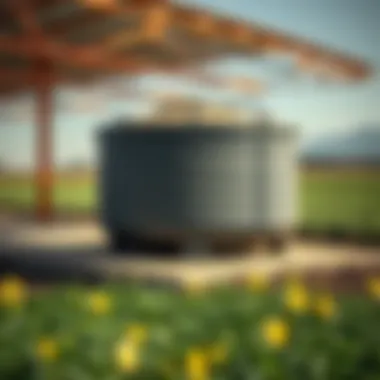

- Remote Monitoring: This features allows users to track tank status from their smartphones or computers. Imagine being in the field while your smartphone sends updates about the tank's contents. It reduces the need for manual checks, saving time and resources.
- Data Analytics: With data coming in from various sensors, farmers can predict usage patterns and optimize delivery schedules accordingly. This information can help understand when and how much fertilizer is needed, thus improving crop yields and reducing waste.
This tech-savvy approach not only saves money but improves safety by minimizing the likelihood of human error. The intersection of farming and technology paints an exciting picture for the future of agriculture.
Sustainability Features
The push towards sustainability is a driving force behind many innovations in poly fertilizer tank design. Farmers are becoming more conscious of their environmental footprint, and as such, manufacturers are responding with eco-friendly materials and practices.
Considerations for sustainability include:
- Recyclable Materials: Many modern tanks are designed with materials that can be recycled at the end of their life cycle, which drastically reduces waste. Using recycled polyethylene not only conserves resources but also lowers the carbon footprint associated with production.
- Zero Leak Technology: Tanks that utilize advanced sealing methods ensure that fertilizers stay contained, protecting local waterways and soil from contamination. This is a crucial step in preventing environmental damage and aligning practices with regulatory compliance.
- Energy Efficiency: Innovations also extend to how these tanks are manufactured, focusing on reducing energy consumption during production. This aligns well with broader sustainability goals in agriculture, reassuring consumers that their food products come from responsible sources.
Incorporating these sustainability features constitutes a significant leap forward, not just for manufacturers but for farmer's reputation, proving that profitability and responsibility can go hand in hand.
"Innovation distinguishes between a leader and a follower." – Steve Jobs
Ultimately, the drive for incorporating smart technologies and sustainability features into poly fertilizer tanks is more than just meeting market demands. It represents a fundamental shift towards a more integrated, responsible form of agriculture that not only feeds the world but also cares for it.
Case Studies and Real-World Applications
Examining real-world applications and case studies offers a practical lens through which we can appreciate the multifaceted benefits of poly fertilizer tanks. It allows us to step off the beaten path and see just how these tanks fundamentally reshape agricultural practices. It isn’t just about the tanks themselves; it’s about how they integrate seamlessly with the daily lives of farmers and enhance productivity while being eco-friendly.
Successful Implementations
Across the agricultural landscape, poly fertilizer tanks have been successfully implemented with impressive outcomes in various settings. One prominent example can be seen in the grain belt of the United States, where large-acreage farms adopted these tanks to streamline their fertilization processes. Here’s how it played out:
- Increased Efficiency: Farmers could fill these tanks with liquid fertilizer and customize their application rates more easily than with traditional systems. This led to a notable increase in crop yields. By having real-time control, they adjusted fertilizer based on the specific growth stage of their crops.
- Cost Savings: With bulk purchasing of fertilizers for these tanks, farmers saved considerably over time. This bumped their profit margins and allowed for reinvestments in other essential farming equipment.
- Reduced Waste: Such adoption drastically limited the amount of waste generated. With modern pumping systems integrated into these poly tanks, the risk of over-application was significantly reduced.
Moreover, a dairy farm in Wisconsin found its footing using poly tanks for fertigation, a process combining irrigation with fertilization. This allowed for better nitrogen management and healthier pastures, showing that versatile applications come where there's adaptability.
Lessons Learned
Considering these successes, it’s important to distill the lessons that these implementations have imparted:
- Adaptability is Key: Different farms have varied needs; thus, selecting the right type and size of tank according to specific circumstances is crucial. A blanket approach rarely works in farming.
- Regular Maintenance: Positive outcomes hinged on good maintenance practices. Routine checks were critical in preventing costly repairs and ensuring long-term efficiency.
- Education and Training: Farmers attested that proper training in using these tanks enhanced the capabilities of their workers. Knowledgeable staff ensured the tanks were utilized to their full potential.
- Community Feedback: Engaging with local agricultural communities offered insights that led to better modifications in their practices. Learning from neighbors who had already adopted poly tanks often streamlined the learning curve for newcomers.
In summary, the journey of integrating poly fertilizer tanks into farming practices reveals that while there are clear benefits, the path to success requires thoughtful consideration and learning from real-world examples. Understanding these case studies helps underscore the tanks' value not merely as storage solutions but as pivotal elements in the agricultural production chain.
Regulatory and Compliance Considerations
In the ever-evolving landscape of agriculture, the management of poly fertilizer tanks cannot be underplayed. Regulatory and compliance considerations are paramount for farmers and agronomists alike, as they serve as the backbone of safe and sustainable agricultural practices. Governed by local, state, and federal laws, navigating through these regulations is essential to ensure not only legal compliance but also the protection of our environment and community health.
Local Regulations
Diving into the specifics, local regulations present a tapestry of requirements that vary from one jurisdiction to another. Understanding these laws is essential for any operation considering the use of poly fertilizer tanks. Local government bodies often dictate:
- Permitting processes: Many regions require specific permits for the installation or modification of fertilizer tanks. These permits ensure that proposed sites meet safety and environmental standards.
- Zoning laws: Local zoning regulations can restrict where you can place a poly fertilizer tank. Understanding these restrictions helps avoid hefty fines or relocation later on.
- Storage limits: Some areas impose limits on the volume of fertilizers stored, which can influence decisions on tank capacity and usage.
Engaging with your local agricultural extension office can provide a wealth of knowledge about what is necessary for compliance in your area. Failing to adhere to local regulations can not only result in increased operational costs but can also jeopardize a farm's reputation.
Environmental Standards
Another layer to consider is compliance with environmental standards, which often align with broader goals of sustainability and ecological preservation. Regulatory standards at various levels dictate how fertilizers should be stored and handled to mitigate the risks of contamination and environmental degradation. Key areas of focus include:
- Leak detection and prevention: Regulations can require the implementation of systems to detect leaks promptly. This is vital for protecting groundwater and surrounding ecosystems from chemical runoff.
- Separation distances: Maintaining proper distances from water sources and other sensitive areas to avoid pollution is often mandated.
- Emergency response plans: Some regulations may require that farms have a clear action plan in case of accidental spills or leaks.
"Compliance in agricultural practices not only protects your operation but safeguards the environment for future generations."
By paying heed to these environmental standards, farmers can contribute to a more sustainable agricultural practice, ensuring both their operations thrive and the land remains viable for years to come.
The End
To sum it up, getting a grip on regulatory and compliance considerations isn’t just about following rules; it’s about building a farming operation that stands the test of time. Navigating local regulations and adhering to environmental standards isn’t just a requirement, it’s a way of nurturing land and community, shaping a brighter future for agriculture. For more information on regulatory frameworks, visit nrcs.usda.gov or your state's environmental protection agency website.
Future Trends in Fertilizer Storage
As the agriculture sector continues to face evolving challenges, the storage of fertilizers is making strides to keep pace with these changes. With the shifting economic landscape and increased emphasis on sustainability, the future trends in fertilizer storage are becoming critical to note for any forward-thinking farmer or agricultural professional. Understanding these emerging trends not only enhances operational efficiency but is also essential for remaining compliant with an ever-growing list of environmental regulations. This section will explore emerging technologies and sustainable practices that shape the future of fertilizer storage.
Emerging Technologies
The landscape of fertilizer storage is increasingly influenced by technological innovations designed to streamline processes and enhance safety. Here are some notable advancements on the horizon:
- Smart Tank Monitoring Systems: Sensors that track levels, pH, and temperature in real-time allow farmers to manage storage with precision. This data-driven approach minimizes waste and optimizes usage.
- Automated Delivery Systems: With automation, the manual labor involved in loading and unloading fertilizers is reduced significantly. A recent study has shown increases in productivity where automated systems were applied in agricultural settings.
- Drones for Monitoring Storage: Drones can survey large areas quickly, inspecting tanks and storage facilities without requiring manual intervention. This is particularly valuable for farmers managing vast land areas.
- Blockchain for Supply Chain Transparency: Utilizing blockchain technology helps to ensure that every step of the fertilizer supply chain is recorded. It provides farmers confidence in the products being used, enhancing traceability and trust.
"Technology in agriculture doesn’t just improve efficiency; it also creates opportunities for greater sustainability practices."
These technologies highlight a shift from traditional practices toward a more integrated and technologically advanced approach to fertilizer storage.
Sustainable Practices
The focus on sustainability is not just a trend but a necessity, as farmers seek ways to reduce their environmental footprint while maintaining productivity. Here are some sustainable practices making waves in fertilizer storage:
- The Use of Biodegradable Tanks: Some innovative companies are creating storage solutions made from biodegradable materials, which help reduce plastic usage in agriculture. This not only meets environmental regulations but also appeals to customers who prioritize sustainability.
- Rainwater Harvesting Systems: Integrating these systems into fertilizer storage setups allows farmers to collect and utilize rainwater for diluting fertilizers or irrigation, further diminishing their environmental impact.
- Energy-Efficient Equipment: Farmers are increasingly investing in energy-efficient pumps and other machinery to minimize energy consumption associated with fertilizer storage and application.
- Education and Training: Workshops and online resources focusing on the best sustainable practices are increasing. By empowering farmers with knowledge, the agriculture community moves towards a collective goal of sustainability.
As these sustainable practices gain traction, it’s clear they offer dual benefits—both for the environment and the farmers’ bottom line, facilitating a healthier ecosystem and a thriving business model.
Closure
In wrapping up our extensive exploration of poly fertilizer tanks, it's crucial to reflect on their significant role in modern agriculture. Throughout this discussion, we have not only dissected the various types and materials used in these tanks but also their practical implications and environmental benefits. The importance of choosing the right tank cannot be overstated; it directly affects the efficiency of fertilizer application and ultimately the productivity of farming operations.
Recap of Key Points
Key points we covered include:
- Diverse Tank Types: We examined various types of tanks, such as above-ground, underground, and mobile options, each suited for specific agricultural needs.
- Construction Materials: The primary focus was on polyethylene, which offers outstanding durability, chemical resistance, and cost-effectiveness compared to traditional materials.
- Maintenance Practices: Regular inspections, cleaning routines, and proper repair protocols are vital to prolong the life of these tanks and ensure they function safely and effectively.
- Sustainability: Poly tanks are engineered with sustainability in mind, reducing the environmental impact associated with fertilizer storage and application.
- Emerging Innovations: The incorporation of smart technology and sustainability features is shaping the future of fertilizer storage, making it essential to stay informed on these trends.
Final Thoughts on Poly Fertilizer Tanks
"A well-chosen fertilizer tank not only secures your investment but also ensures the health of our planet's resources for future generations."
For further reading and resources, you might explore sites like Wikipedia, Britannica, and government agricultural frameworks at *.gov.